
Behind the Scenes: Fresh Machined Parts for Our Delta Robot
By Adeeb Robotics · September 1, 2025
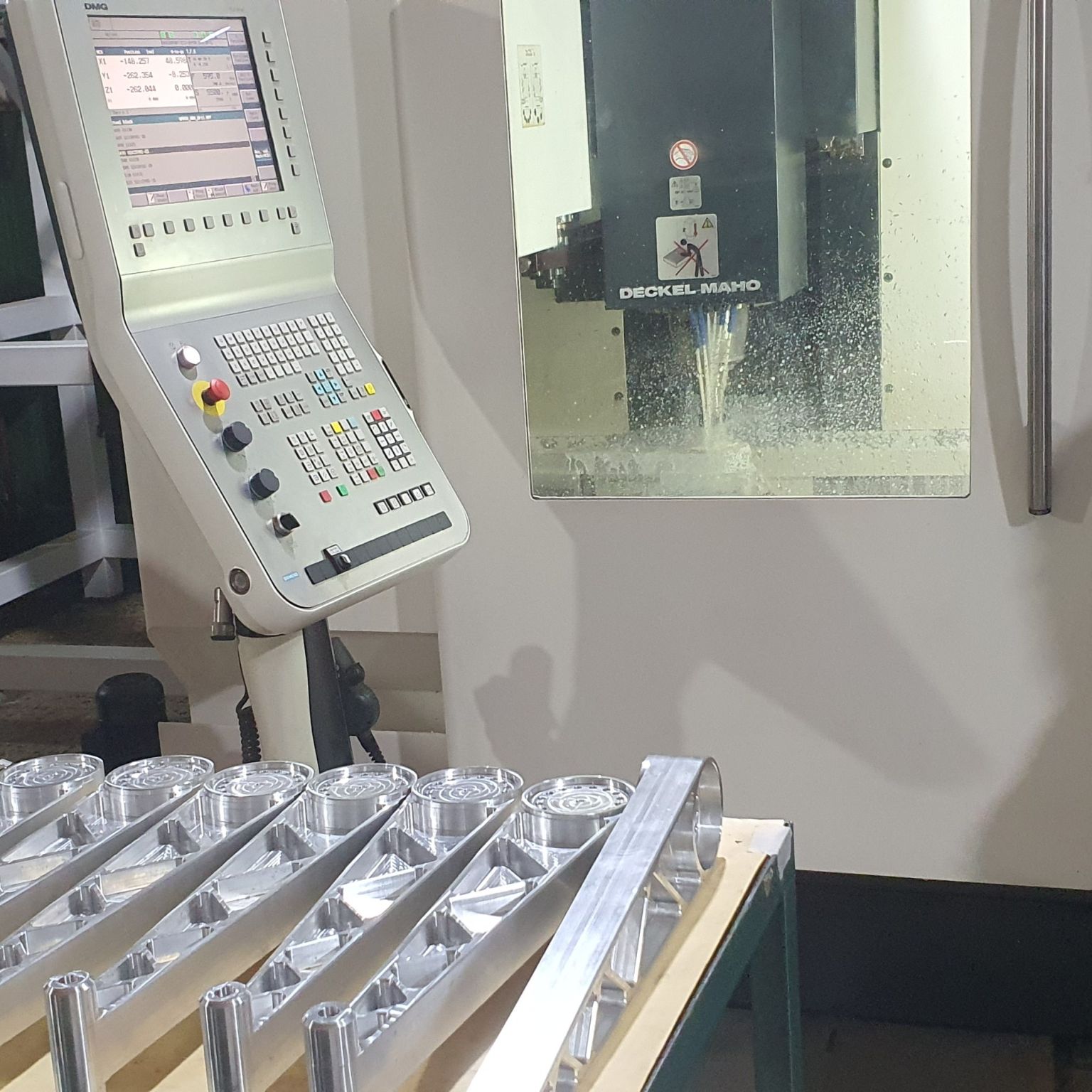
A little behind-the-scenes peek at what we’ve been building: a fresh batch of parts just came off the machines, and they are key components for our delta robot system.
After months of design and planning, this is the moment where the work stops living in CAD files and starts taking up space on a bench. It is always exciting to see hardware take shape — and it is also one of the most consequential stages of building a robot.
From Design to Metal
A delta robot is a parallel kinematic machine. Instead of one long serial arm, it uses several arms working together to position a single moving platform. That architecture is what makes delta robots so well suited to fast, lightweight pick-and-place, packaging, assembly, and sorting work.
It also means the mechanical parts have to agree with each other. Every arm, joint, and mounting surface contributes to where the tool actually ends up. A design can be perfect on screen, but the robot only performs as well as the physical parts that come out of the shop.
That is why we treat this stage as more than a milestone. Holding finished components in hand is the first real check on whether the design decisions made over the previous months hold up in the physical world.
Precision, Patience, and Engineering Fun
As we put it when we first shared these parts: this stage is all about precision, patience, and a whole lot of engineering fun.
Precision matters because the published targets for our Delta Robot — including ±0.05 mm repeatability and 100+ picks per minute — are ultimately built on the mechanical foundation. Software can coordinate motion beautifully, but it cannot compensate for everything a poorly made part introduces.
Patience matters because hardware does not move at the speed of software. Parts are made, inspected, fitted, and sometimes revisited. Assembly is a process of dialing things in, not snapping pieces together and walking away.
Engineering fun is the part that keeps a small team going. There is a specific satisfaction in seeing a component you designed come back from the machines looking exactly the way you pictured it.
Why Hardware and Software Are Built Together
Adeeb Robotics doesn’t only build mechanical hardware. Alongside the delta robot, we develop the Robot Controller software that plans and coordinates motion, and the EtherCAT Master that provides deterministic real-time communication with the drives.
Building all three in-house shapes how we approach the mechanical side. The robot is designed to be EtherCAT native, so the parts coming off the machines today are destined for a system where the mechanics, the motion control, and the fieldbus are engineered to work together — rather than integrated after the fact from separate vendors.
For manufacturers, that means fewer gaps between “the robot” and “the controls,” and one team that understands the whole stack when something needs tuning.
What Comes Next
These parts are one step in a longer process. The next stages are assembly, testing, and the steady work of dialing everything in until the robot behaves the way it was designed to.
We will keep sharing updates as the build progresses — the wins, the adjustments, and the moments where hardware finally starts to move.
Follow Along or Talk to Us
If you are evaluating delta robots for pick-and-place, packaging, or sorting, take a look at the Delta Robot product page for specifications and application details. If you would like to discuss your application with the engineers building it, contact us or request a demo.